From skin-softening oils to colorful herbal teas, explore the ingredients Khaliah uses and what we know about them.
This guide describes individual ingredients. Recipes and amounts vary by product, so check your label or ask Khaliah for the full ingredient list. Research on an ingredient does not establish the same effect for a finished product.
FOR YOUR SKIN CARE ROUTINE
Softness starts here.
SKIN CARE OIL
Jojoba oil
Jojoba is a liquid wax from the seeds of the jojoba plant. It acts as an emollient, helping soften and smooth skin, and can help retain moisture at the skin’s surface.
What to know before using
Skin care use is different from eating an oil. Use topical products only as directed. Try a small area first and stop if irritation develops. Moisturizing skin is not the same as treating eczema or another skin condition.
Extracted from avocado pulp, this oil contains fatty acids and is used to help condition and soften dry skin. It adds a rich feel to body care formulas.
What to know before using
Evidence for treating skin diseases with avocado oil is limited. Avoid it if you have a known avocado allergy. Test a small area before wider use, and follow the directions for your skin care product.
Soursop’s edible pulp brings a sweet, tart flavor. Whole fruit provides fiber, vitamin C, and minerals such as potassium. The nutrients in a drink depend on how much fruit is used and whether the pulp is strained out.
What the evidence says
Soursop has not been shown to prevent or treat cancer in humans. Fruit, leaves, and concentrated extracts are different preparations. Soursop seeds should not be eaten.
Turmeric supplies an earthy flavor and golden color. It contains curcumin, a plant compound studied for inflammation-related conditions. Early research on some supplements suggests possible help with knee pain and stiffness, but stronger evidence is needed.
What to know before using
Supplement studies do not prove that turmeric in a tea or body product provides the same effects. Concentrated supplements can cause stomach upset, and some enhanced-absorption formulas have been linked to liver injury. Ask a clinician about supplements, especially during pregnancy or when taking medicines.
Butterfly pea flowers bring a vivid blue color from anthocyanins, a group of plant pigments. Small human studies have explored antioxidant activity, but they do not establish that butterfly pea tea prevents disease or treats a health condition.
What the evidence says
A small study of a flower beverage measured short-term responses in healthy adults. That is not proof of long-term health benefits or a treatment for diabetes. Safety information for concentrated products and use during pregnancy is limited; ask your clinician if these apply to you.
Peppermint leaves give tea a fresh, minty flavor. Peppermint has a long history of traditional use for digestive comfort, but there is not enough evidence to confirm health benefits from the leaf or tea.
Leaf tea and peppermint oil are different
Research supporting some digestive benefits largely involves specially formulated peppermint oil capsules, not peppermint tea. Peppermint oil can cause heartburn. Do not swallow skin care oils or essential oils as a substitute for tea.
Hibiscus gives herbal tea its ruby color and bright, tart taste. Studies suggest hibiscus tea may modestly lower blood pressure in some adults, although the overall evidence is limited.
What to know before using
Hibiscus tea is not a replacement for prescribed blood pressure treatment. Ask a clinician before regular use if you have low blood pressure or take blood pressure medicines.
Ginger adds a warm, spicy flavor. Research suggests ginger supplements may help pregnancy-related nausea and menstrual cramps. Most studies tested supplements, so a tea or flavored gel may not deliver the studied amount.
What to know before using
Ginger can cause heartburn, stomach discomfort, or diarrhea. Talk with your clinician before using supplements if you take medicines or are pregnant. Food use and concentrated extracts are different.
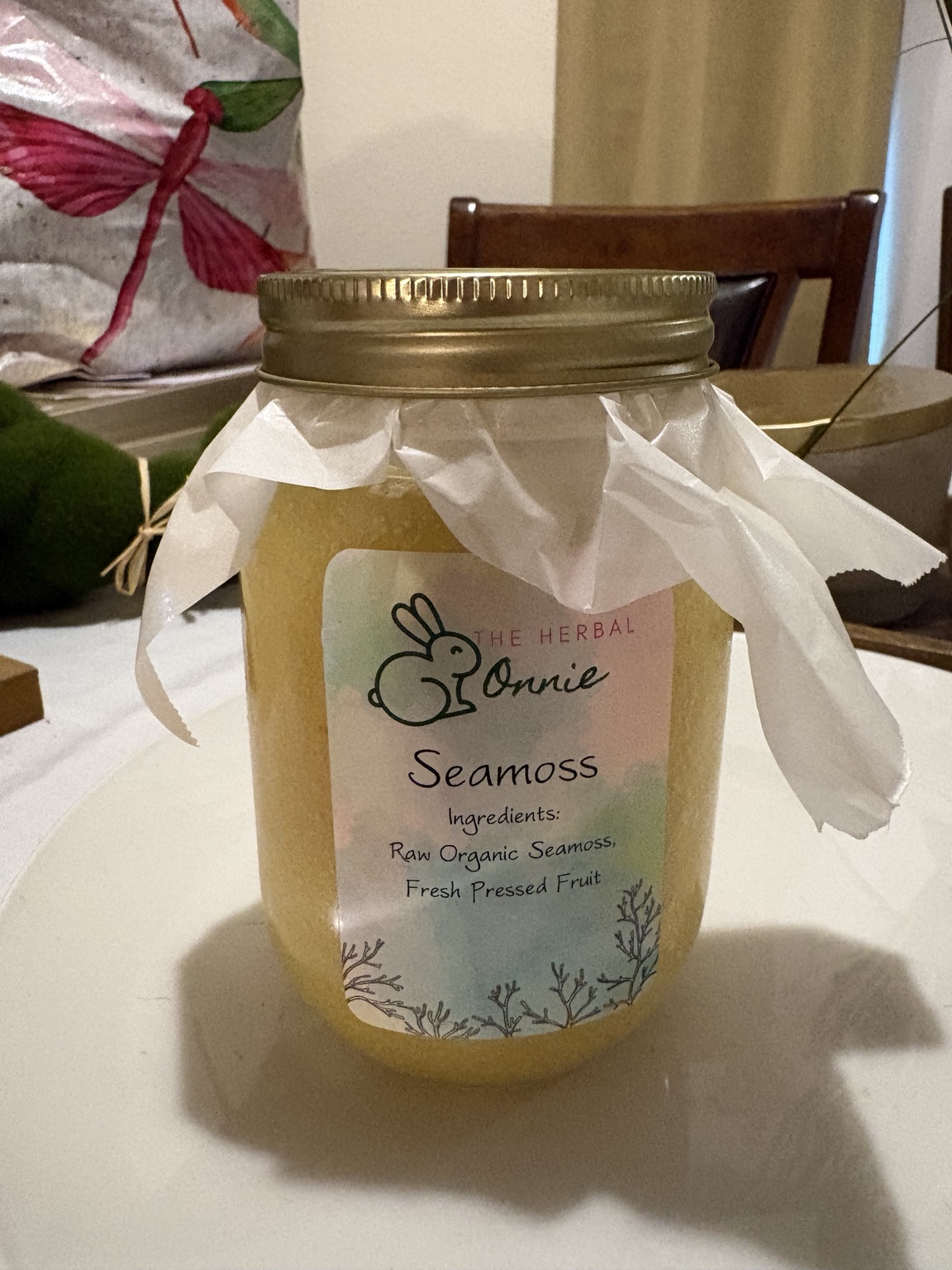
Sea moss is a name used for several red seaweeds. Minerals reported in Irish moss (Chondrus crispus), one of those seaweeds, include the ten listed below. Their roles describe what these nutrients do in the body—not benefits proven for a serving of our gel.
Minerals reported in Irish moss and their normal roles in the body
Mineral
What the body uses it for
Iodine
Making thyroid hormones that regulate metabolism.
Calcium
Bones and teeth, muscle function, and nerve signals.
Magnesium
Normal muscle and nerve function and many enzyme reactions.
Potassium
Normal cell, nerve, muscle, and heart function.
Iron
Hemoglobin, which carries oxygen in the blood.
Zinc
Normal immune function, wound healing, and making DNA.
Phosphorus
Bones, teeth, and normal cell function.
Sodium
Fluid balance and normal nerve and muscle function.
Copper
Energy production, connective tissue, and iron metabolism.
Manganese
Enzyme reactions involved in metabolism and bone formation.
Every batch is different.
Species, growing location, processing, and dilution change mineral levels. This is not a complete laboratory analysis of our sea moss gel. Exact minerals, amounts, and Daily Values require product testing. A serving is not guaranteed to meet your daily mineral needs.
Seaweed can contain high amounts of iodine. Too much iodine can harm thyroid function. If you have thyroid disease, follow a low-iodine diet, or take thyroid medicines, ask your clinician before using sea moss.